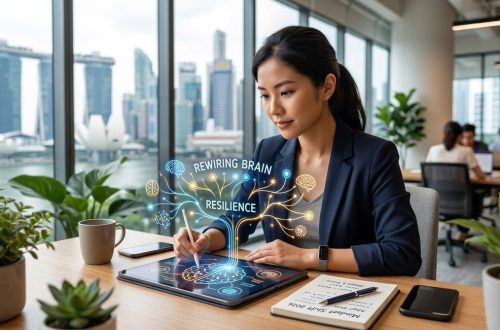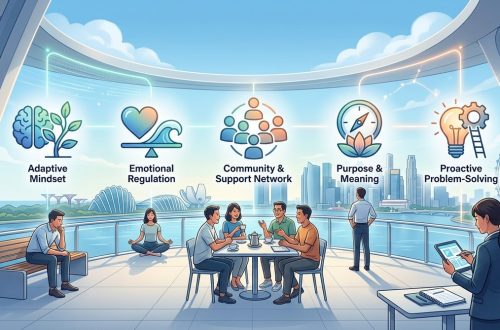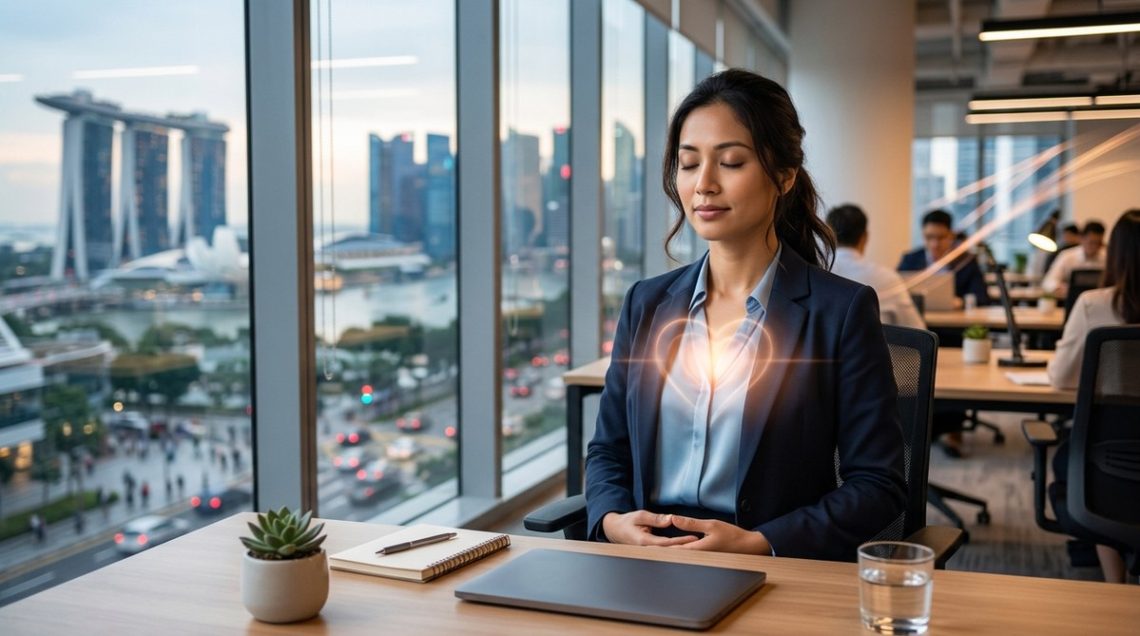
Building resilience in Singapore’s high-speed work environment can feel like trying to catch a moving train. Long hours, tight deadlines, and constant change test even the most seasoned professionals. Yet, a simple practice like mindfulness can serve as a powerful tool to help you stay grounded, focused, and resilient. By cultivating awareness and calm, employees and HR teams alike can foster a healthier, more adaptable workplace culture.
In Singapore’s rapid work scene, mindfulness offers a practical approach to building resilience. It helps manage stress, stay present, and recover faster from setbacks, creating a healthier and more engaged workforce.
Why mindfulness workplace resilience Singapore is vital today
Singapore’s economy thrives on innovation and speed. This means workers often juggle multiple projects, tight timelines, and high expectations. Over time, these pressures can lead to burnout, stress, and waning mental health. Mindfulness provides a way to counteract this by encouraging present-moment awareness, which reduces stress and sharpens focus.
Research shows that practicing mindfulness can enhance emotional regulation, improve concentration, and boost overall well-being. For Singaporeans balancing work with family commitments, it offers a pause button—an opportunity to reset amid chaos. HR professionals recognise that fostering resilience isn’t just about managing stress but creating a workplace culture that promotes mental health and growth.
How to incorporate mindfulness into your daily work routine
Implementing mindfulness practices doesn’t require hours or special equipment. It’s about weaving small moments of awareness into your day. Here are three steps to get started:
- Set intentional pauses: Schedule brief breaks between meetings or tasks. Use these moments to focus on your breath or sensations in your body.
- Practice mindful listening: During conversations, give your full attention without planning your response. Truly hear your colleagues or clients.
- Use guided mindfulness apps: Digital tools like Headspace or Calm offer short, Singapore-relevant meditations that fit into busy schedules.
Top mindfulness exercises for workplace resilience
Engaging regularly with specific exercises can build resilience over time. Consider these options:
- Deep breathing exercises: Inhale slowly for four counts, hold, then exhale for four counts. Repeat until you feel calmer.
- Body scan meditation: Focus on different parts of your body, noticing sensations without judgment.
- Mindful walking: Take a few minutes to walk slowly, paying attention to each step and your surroundings.
Techniques table: effective practices vs common mistakes
| Techniques | Common Mistakes |
|---|---|
| Regular short breaks | Skipping breaks, working through stress |
| Mindful listening during meetings | Multitasking while someone speaks |
| Focused breathing exercises | Breathing shallowly or rapidly |
| Using guided meditations | Rushing through without full attention |
| Practicing gratitude daily | Ignoring positive moments in busy days |
According to mental health expert Dr. Lee, “A consistent mindfulness practice helps Singaporeans develop emotional agility, allowing them to respond thoughtfully rather than react impulsively.”
Building resilience one mindful step at a time
Resilience isn’t built overnight. It’s a gradual process that involves adopting new habits and perspectives. Start small and be patient with yourself. For example, commit to a five-minute breathing exercise each morning or during lunch breaks. Over time, these moments add up, strengthening your ability to bounce back from setbacks.
Incorporate reflection into your routine by journaling about your experiences. Notice how mindfulness impacts your work stress levels and relationships with colleagues. This ongoing awareness helps you identify what works best for you and adapt accordingly.
Creating a mindful workspace environment in Singapore
A mindful workplace isn’t just about individual habits. It’s about cultivating a culture that supports mental health and resilience. Employers can:
- Designate quiet zones for focused work or meditation
- Encourage regular mindfulness breaks during team meetings
- Provide training sessions on resilience and mindfulness techniques
- Share success stories of employees who benefited from mindfulness practices
By normalising these behaviors, organisations foster a supportive environment where everyone feels empowered to manage stress better.
Stay connected and continue growing
Building resilience through mindfulness is a journey. Join local communities or online forums focused on mental well-being. Participate in Singapore-based workshops, webinars, or resilience challenges like the 30-day emotional armor challenge. Sharing experiences and tips with peers makes the process more engaging and sustainable.
Final thoughts: cultivate your inner strength with mindfulness
Resilience is a vital skill for thriving in Singapore’s fast-paced work world. By integrating simple mindfulness practices into your daily routine, you can better manage stress, recover from setbacks, and stay focused on your goals. Remember, resilience isn’t about avoiding difficulties but developing the capacity to bounce back stronger. Start small, stay consistent, and watch how your mindset transforms.
Prioritise your mental well-being in Singapore’s busy culture
Incorporating mindfulness into your work life isn’t a one-time effort—it’s a continuous process of growth. By making space for awareness and calm, you empower yourself to navigate challenges more effectively. Whether you’re an HR professional designing resilience programs or an employee seeking balance, mindfulness offers accessible, practical tools for a healthier, more resilient Singaporean workforce. Take that first step today and see how small changes can lead to big shifts in your resilience and well-being.