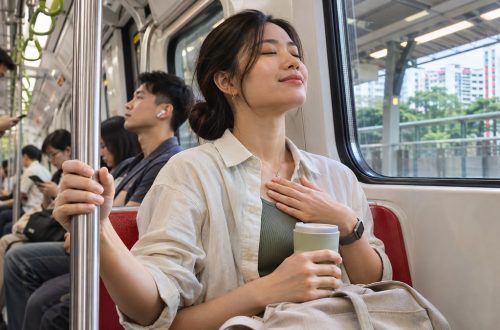
The MRT doors slide shut. Your phone buzzes with another Slack message. The air conditioning hums, but your mind is still racing from that afternoon meeting. You have been running on adrenaline since breakfast, and your shoulders feel like they are carrying a second laptop bag. In a city that moves this fast, finding a way to truly switch off can feel impossible.
That is where sound bath stress relief comes in. It is not just a trendy wellness activity. It is a practical tool that many Singapore professionals are using to reset their nervous system without needing a week off work.
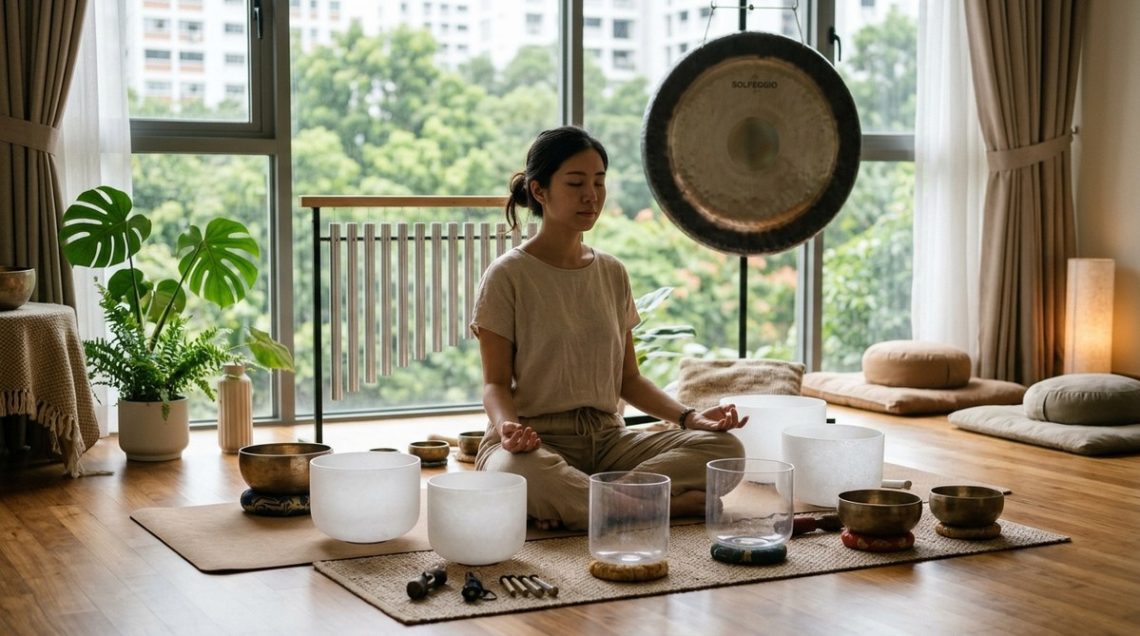
Sound baths use vibrations from instruments like singing bowls and gongs to guide your brain into a deeply relaxed state. Combined with solfeggio frequencies, they can lower cortisol, improve sleep, and help you recover from chronic stress. This guide shows you exactly how to use them in Singapore, where to find sessions, and how to practice at home between your busy work days.
What is a sound bath and why does it work for stress?
A sound bath is not a bath with water. You lie down or sit comfortably while a practitioner plays instruments around you. The sound washes over your body. You feel the vibrations more than you hear them.
The science is straightforward. Your brain has a natural tendency to synchronise with external rhythms. This is called brainwave entrainment. When you hear a steady, repetitive sound at a certain frequency, your brain waves start to match it. Slow, rhythmic sounds encourage your brain to shift from high-alert beta waves into calming alpha or theta waves.
For someone dealing with workplace stress in Singapore, this matters. Your sympathetic nervous system (the fight or flight mode) stays activated when you are constantly under pressure. Sound baths help activate the parasympathetic nervous system. That is the rest and digest mode. It is the biological opposite of stress.
Many professionals in Singapore have discovered that a 45 minute sound bath session can feel more effective than a full night of restless sleep. It is a shortcut to deep relaxation.
Understanding solfeggio frequencies for healing
Solfeggio frequencies are specific tones that have been used for centuries in Gregorian chants and Eastern traditions. Each frequency is said to have a distinct effect on the mind and body.
Here are the most relevant frequencies for stress relief:
| Frequency | Name | Reported benefit |
|---|---|---|
| 174 Hz | Foundation frequency | Reduces pain and tension |
| 285 Hz | Healing frequency | Repairs tissues and organs |
| 396 Hz | Liberating guilt | Releases fear and anxiety |
| 528 Hz | Transformation frequency | Promotes repair and DNA healing |
| 639 Hz | Connecting frequency | Improves relationships and communication |
| 741 Hz | Cleansing frequency | Removes toxins and negativity |
| 852 Hz | Intuition frequency | Awakens inner strength |
| 963 Hz | Cosmic frequency | Connects to higher consciousness |
For stress relief in Singapore, focus on 396 Hz and 528 Hz. The 396 Hz frequency helps release the accumulated fear that comes with high pressure work environments. The 528 Hz frequency supports deep cellular repair, which is useful after months of poor sleep and constant deadlines.
You do not need to memorise these numbers. But knowing them helps you choose the right sound bath session or recording for your needs.
How to use sound baths for stress relief in Singapore
You have two main options. You can attend a live session at a studio, or you can practice at home with recordings. Both work. The best choice depends on your schedule and budget.
Option 1: Attend a live sound bath session in Singapore
Live sessions are powerful because you feel the vibrations physically. The resonance from a large gong or a crystal singing bowl travels through your body in a way that headphones cannot replicate.
Here is a step by step process for your first session:
-
Find a reputable studio or practitioner. Look for places in Singapore that specialise in sound healing. Many yoga studios in areas like Tanjong Pagar, Robertson Quay, and Bukit Timah now offer weekly sound bath sessions. Check reviews and ask about the practitioner’s training.
-
Arrive early and communicate your needs. Tell the practitioner if you have any injuries or sensitivities. If you are feeling particularly anxious, let them know. They can adjust the session to be gentler.
-
Dress comfortably and bring a mat. Most studios provide mats, but bringing your own ensures comfort. Wear loose clothing. The room will be cool, but your body temperature may drop as you relax.
-
Lie down and set an intention. Before the session starts, take a deep breath and think about what you want to release. It could be a stressful project, a difficult conversation, or just general tension. Hold that intention quietly.
-
Let the sound wash over you. Do not try to control your thoughts. If your mind wanders to work or your to do list, gently bring it back to the sound. Focus on the vibrations in different parts of your body.
-
Rest after the session. Do not rush back to your phone. Sit up slowly. Drink water. Give yourself at least 10 minutes before you check messages or start moving.
Option 2: Practice sound bath stress relief at home
Live sessions are wonderful, but they require time and money. For daily stress management, a home practice is more sustainable.
You will need a few tools:
- A pair of good quality headphones or speakers
- A streaming service or app with solfeggio frequency tracks
- A quiet space where you will not be disturbed
- A comfortable place to lie down
Many professionals in Singapore use this method during their lunch break or right after work. A 15 minute session can reset your nervous system before you face evening commitments.
Common mistakes to avoid
Sound baths are simple, but people make mistakes that reduce their effectiveness.
| Mistake | Why it happens | How to fix it |
|---|---|---|
| Expecting immediate results | Stress is cumulative. One session helps but consistency matters. | Commit to at least three sessions before judging. |
| Using phone speakers | Low quality sound loses the vibrational effect. | Use headphones or a dedicated speaker. |
| Multasking during the session | Checking emails defeats the purpose. | Put your phone in another room. |
| Choosing the wrong frequency | Not all frequencies suit all moods. | Match the frequency to your current need. |
| Skipping the rest period | Jumping up too fast reduces the calming effect. | Lie still for five minutes after the track ends. |
Creating a sound bath routine for busy professionals in Singapore
Consistency is more important than duration. A five minute practice every day is better than a one hour session once a month.
Here is a simple weekly plan that fits around a typical work schedule:
- Monday morning: Start the week with 528 Hz for 10 minutes. This sets a calm, focused tone for the days ahead.
- Wednesday lunch break: Use 396 Hz for 15 minutes to release mid week tension. Find a quiet corner in your office or a nearby park.
- Friday evening: Attend a live session or do a longer 30 minute home practice. This helps you transition into the weekend.
- Sunday afternoon: Use 741 Hz for 20 minutes to clear any lingering stress before the new week begins.
You can adjust this based on your energy levels. The goal is to make sound bath stress relief a regular part of your resilience toolkit.
“Sound healing is not about escaping reality. It is about giving your nervous system the reset it needs so you can face reality with more clarity and strength.” – Sarah Lim, certified sound healer in Singapore
Where to find sound bath sessions and resources in Singapore
Singapore has a growing community of sound healing practitioners. Here are some places to start your search:
- Wellness studios in the CBD area: Many studios near Raffles Place and Tanjong Pagar offer lunch time sound baths for office workers.
- Yoga studios in residential areas: Studios in Holland Village, Katong, and Novena often host weekly sound bath events.
- Community centres and pop up events: Check platforms like Eventbrite and Meetup for one off sound bath experiences in parks or art spaces.
- Online platforms: Apps like Insight Timer and YouTube have extensive libraries of solfeggio frequency tracks. Look for recordings by Singapore based practitioners for a more local feel.
If you are new to this, start with a beginner friendly session. Look for terms like “restorative sound bath” or “gentle sound healing” in the class description.
How sound baths support your bigger resilience journey
Stress relief is not the final goal. The real goal is building resilience. When you regularly calm your nervous system, you recover faster from setbacks. You think more clearly. You make better decisions under pressure.
Sound baths are one tool among many. They work well alongside other practices like breathwork, nature therapy, and mindfulness. If you are interested in expanding your toolkit, you might find our guide on 7 evidence-based breathing techniques Singapore professionals use to manage workplace stress helpful. For those who prefer outdoor recovery, our article on can nature therapy help you recover from burnout covers Singapore’s healing green spaces.
The key is to find what works for you and stick with it. Sound baths are not a magic cure. They are a practice. The more you do them, the more your body learns to let go.
Finding your sound in a noisy city
Singapore is loud. Construction noise, MRT announcements, coffee shop chatter, and the constant ping of notifications all add to your sensory load. Sound baths offer a different kind of noise. One that is intentional, rhythmic, and healing.
You do not need to become a wellness expert. You just need to give yourself permission to stop for a few minutes. Lie down. Listen. Let the vibrations do their work.
Start small. Try a 10 minute track tonight before bed. See how you feel tomorrow morning. If it helps, do it again the next night. Over time, you will notice that the stress does not disappear. But your ability to handle it grows stronger. And that is what resilience is really about.