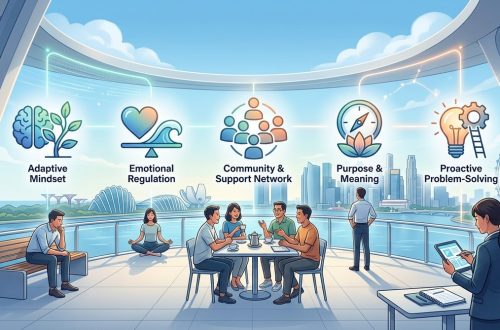
Strengthening resilience during economic downturns in Singapore
Building resilience during economic downturns in Singapore is more important than ever. Times of economic uncertainty can shake your confidence and threaten your financial stability. But with the right mindset and practical strategies, you can not only withstand these challenges but come out stronger on the other side. Whether you’re worried about job security, investments, or managing household expenses, developing resilience gives you control and clarity.
Understanding how to navigate tough times equips you with the tools to adapt quickly and maintain your peace of mind. It’s about making smart decisions today to ensure a more secure tomorrow. Let’s explore how you can bolster your resilience during Singapore’s economic downturns and turn setbacks into opportunities for growth.
Building resilience during economic downturns in Singapore involves a mix of mindset shifts, smart financial planning, and proactive actions. Focus on diversifying income, managing expenses, and staying adaptable. These steps will help you weather the storm and emerge more confident in your financial future.
Understanding Resilience in the Context of Singapore’s Economy
Resilience is the ability to bounce back from setbacks. In Singapore, resilience also involves adapting to rapid changes like economic shifts, job market fluctuations, or sudden financial shocks. The city-state’s economy is known for its robustness, but even resilient nations face downturns. The key is how individuals and professionals respond.
During economic downturns, some people tighten their belts, reassess priorities, and look for new opportunities. Others may feel overwhelmed and uncertain. Developing a resilient mindset means viewing challenges as opportunities to learn and grow. It also involves practical steps that can mitigate impacts and position you for recovery.
Practical Steps to Strengthen Your Financial Resilience
Here are proven strategies to help you navigate economic downturns better:
1. Diversify Your Income Sources
Relying solely on one income stream can be risky. During downturns, job security may be threatened. Consider creating multiple income streams, such as freelance work, side businesses, or passive income from investments. For example, some Singaporeans have started online stores or invested in rental properties to supplement their paychecks. Diversifying income provides a buffer and peace of mind.
2. Build and Strengthen Your Emergency Fund
An emergency fund acts as a safety net. Aim to save at least three to six months’ worth of living expenses. This fund should be kept in highly liquid accounts, like a high-yield savings account or fixed deposit. It’s vital to contribute regularly, even if the amounts are small. When unexpected costs or job losses happen, your emergency fund provides the financial cushion needed to stay afloat.
3. Manage Expenses and Reduce Debt
Cutting non-essential expenses quickly adds to your resilience. Review your monthly expenses, identify areas to trim, and avoid impulse purchases. Pay down high-interest unsecured debts like credit card balances first. Use a simple table to understand common mistakes versus effective techniques:
| Techniques | Mistakes |
|---|---|
| Creating a budget and sticking to it | Ignoring unnecessary expenses |
| Prioritising debt repayment | Making minimal payments or ignoring high-interest debts |
| Avoiding new debts during downturns | Taking on new high-interest loans or credit card debts |
- Focus on needs, not wants.
- Use cashback or reward programs to save on everyday spending.
- Consider consolidating debts to lower interest rates.
“The best time to prepare for a downturn is before it hits. Building good financial habits today can make a big difference when times get tough,” advises financial expert Lim Wei Ming.
4. Keep Your Skills and Knowledge Updated
A resilient professional keeps sharpening skills and staying relevant. Upskilling or reskilling enhances employability. Look into courses offered by local institutions or online platforms. This not only improves your job security but also positions you for new roles if needed.
5. Stay Informed and Flexible
Regularly monitor economic news and government support programs. Singapore’s government often introduces measures to help workers and businesses during downturns, such as wage support schemes or retrenchment benefits. Staying informed allows you to adapt quickly.
6. Invest with Caution and Diversify
While investments can be a source of growth, downturns can also cause losses. Diversify your portfolio across asset classes like stocks, bonds, and real estate. Consider investing in resilient sectors such as healthcare or essential services. Avoid panic selling; instead, review your investment goals and stay disciplined.
7. Cultivate a Growth Mindset
Resilience is also mental. View setbacks as opportunities to learn and improve. Focus on what you can control — your attitude, skills, and actions. Connecting with a community of like-minded individuals or mentors can provide encouragement and practical advice.
Common Pitfalls and How to Avoid Them
Being aware of common mistakes helps you stay on track:
| Mistake | How to Avoid |
|---|---|
| Ignoring financial planning during downturns | Keep reviewing and adjusting your budget and savings plans |
| Relying solely on one income source | Develop additional income streams |
| Panicking and selling investments in a downturn | Stay calm, review your long-term goals, and consult experts |
| Underestimating the importance of mental resilience | Practice stress management and self-care routines |
Recovery Frameworks for Individual and Professional Growth
Recovery begins with action. Here are steps to follow:
- Assess your current situation: Know your income, expenses, debts, and savings.
- Set clear, achievable goals: Whether it is building an emergency fund or upskilling, define what success looks like.
- Prioritise actions: Focus first on building safety nets, then on growth opportunities.
- Track progress regularly: Use simple tools or apps to monitor your financial health.
- Adjust plans as needed: Flexibility is vital. If one strategy isn’t working, try another.
Building a Supportive Community and Growth Mindset
Surround yourself with positive influences. Join local groups or online forums that share resilience-building stories and tips. Sharing experiences can inspire and motivate you to stay committed.
Remember, resilience is a journey, not a one-time effort. Regularly revisiting your strategies and mindset keeps you prepared for whatever challenges lie ahead.
A Resilient Future Starts Today
Taking deliberate, practical steps now creates a stronger foundation. Keep your focus on what you can control, stay adaptable, and remember that setbacks are temporary. By building resilience, you empower yourself to face any economic storm with confidence.
Keep Moving Forward with Confidence
Resilience during economic downturns in Singapore is about more than just weathering the storm. It’s about transforming challenges into opportunities for growth. Start with small steps today, and gradually build your capacity to adapt and thrive. Your future self will thank you for the resilience you nurture now.