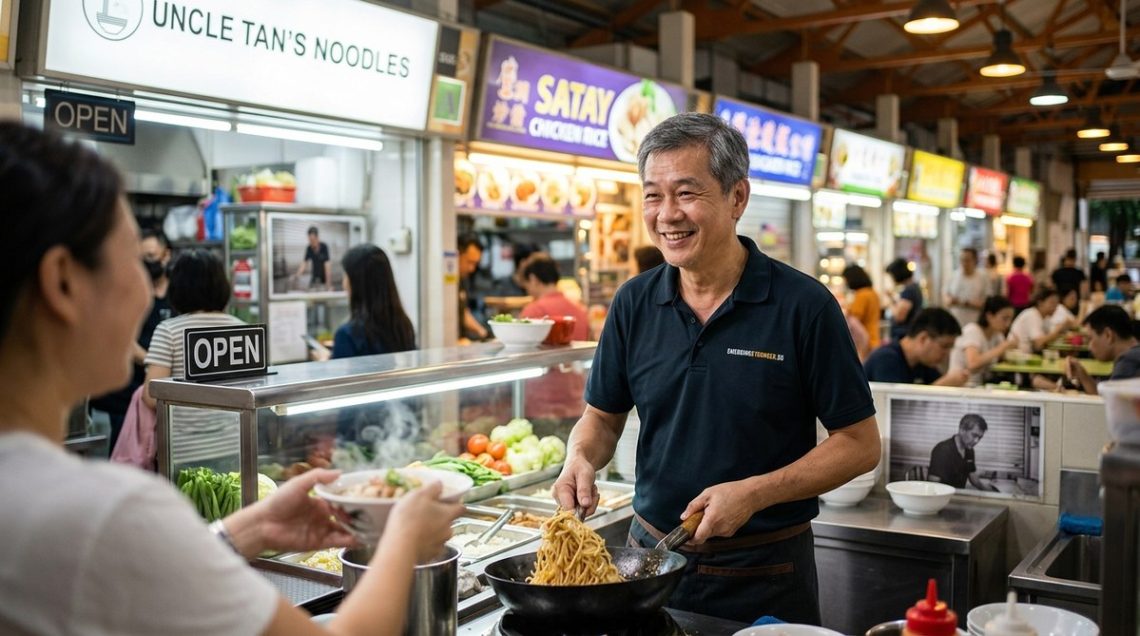
The pandemic didn’t just close businesses. It erased livelihoods, drained savings, and forced thousands of Singapore business owners to watch everything they built crumble overnight. Circuit breaker measures, empty shopfronts, and mounting debts became the new reality. Yet some owners found a way back. Not through luck or shortcuts, but through deliberate, painful rebuilding.
Business owners who successfully recovered after pandemic losses shared common strategies: they faced financial reality within 48 hours, pivoted operations based on customer needs rather than nostalgia, secured government support systematically, rebuilt mental resilience through community networks, and treated recovery as a multi-year marathon requiring both grit and adaptability.
What Actually Happens When a Business Collapses
Most business failure stories skip the messy middle. The sleepless nights. The creditor calls. The moment you realize your CPF savings won’t cover next month’s rent.
During the pandemic, Singapore saw over 3,000 F&B outlets close permanently. Retail spaces sat vacant for months. Event companies lost 100% of their revenue streams overnight.
The psychological impact hit harder than the financial losses. Business owners reported feelings of shame, failure, and isolation. Many avoided friends and family. Some stopped answering calls entirely.
But collapse also creates clarity. When everything falls apart, you see what actually matters. Which relationships survive stress. Which skills translate to new opportunities. Which parts of your identity exist beyond your business card.
The First 90 Days After Losing Everything
The immediate aftermath determines whether you recover or spiral. Here’s what successful comeback stories reveal about those critical first months.
Financial Triage Comes First
You cannot rebuild until you know exactly where you stand. This means brutal honesty about numbers.
- List every debt, creditor, and payment deadline in a single document.
- Calculate your absolute minimum monthly survival costs (rent, food, utilities, insurance).
- Identify which debts are legally enforceable versus negotiable.
- Contact creditors proactively before they chase you.
- Apply for relevant government support schemes within the first week.
- Separate business and personal finances if you haven’t already.
Singapore business owners who recovered fastest spent the first 48 hours creating this financial map. Those who avoided the numbers stayed stuck longer.
Emotional Stability Requires Structure
When your identity collapses with your business, routine becomes survival. The 5 mental resilience techniques every Singaporean professional should master become non-negotiable during crisis periods.
One hawker who lost his stall during circuit breaker maintained his 5am wake-up time. No stall to open, but the routine prevented complete disintegration. He used those morning hours to research delivery platforms, test recipes at home, and plan his comeback.
Structure provides psychological scaffolding when everything else feels chaotic.
Support Networks Separate Survivors from Casualties
Isolation kills recovery momentum. Yet admitting failure feels impossible when Singapore’s culture celebrates success and hides struggle.
The business owners who bounced back did three things:
- Joined industry-specific support groups (hawker associations, retail forums, F&B networks)
- Attended government-run business recovery workshops
- Found at least one person who had survived similar losses
Finding your support network isn’t about networking for opportunities. It’s about finding people who understand the specific shame and fear of business failure.
Government Support Most People Miss
Singapore offered extensive pandemic support. But many struggling business owners never accessed it because they didn’t know it existed or felt too overwhelmed to navigate bureaucracy.
| Support Scheme | What It Covered | Common Mistake |
|---|---|---|
| Jobs Support Scheme | Wage subsidies up to 75% | Not claiming retroactively for eligible periods |
| Rental Relief Framework | Mandatory rent waivers | Not documenting landlord non-compliance |
| Enterprise Development Grant | 70% funding for business transformation | Assuming only “tech” businesses qualify |
| Temporary Bridging Loan | Working capital up to $5 million | Waiting too long before revenue completely stops |
| SkillsFuture Enterprise Credit | $10,000 for training | Not using it for owner upskilling during downtime |
The retrenchment support programs also apply to business owners who essentially “retrenched” themselves. Many didn’t realize they qualified for career conversion programmes and training subsidies.
Pivot Strategies That Actually Worked
“Pivot” became a buzzword during the pandemic. But most pivots failed because they chased trends rather than solving real problems.
Successful pivots shared specific characteristics:
- They built on existing skills and relationships rather than jumping to completely new industries
- They started small with minimal investment to test demand
- They focused on one customer segment desperately needing a solution
- They launched within 30 days, not after months of perfect planning
Real Examples from Singapore’s Recovery
A wedding photographer who lost all 2020 bookings pivoted to corporate video content for companies suddenly needing remote communication tools. Same camera equipment. Different customer need.
A gym owner converted his space into a physiotherapy and rehabilitation centre. Same location. Same focus on physical health. Different revenue model that worked during capacity restrictions.
A tour guide started virtual heritage tours for overseas Singaporeans missing home. Same storytelling skills. Different delivery platform.
None of these were revolutionary. They were practical adaptations using existing assets.
The Mental Game of Rebuilding
Rebuilding confidence after a major career setback requires different strategies than building initial confidence. You’re working against the weight of failure, not from a blank slate.
“The hardest part wasn’t starting over. It was believing I deserved to try again after losing my family’s savings. Every small setback felt like proof I was a failure. I had to separate one failed business from my entire identity as a person.” — Former restaurant owner who rebuilt as a catering business
This psychological separation takes deliberate practice. Successful comeback stories reveal specific techniques:
- Writing daily “evidence logs” of small progress to counter catastrophic thinking
- Setting micro-goals (make one sales call, update one product listing) instead of overwhelming targets
- Celebrating survival milestones (made it through this week, paid one bill on time)
- Treating setbacks as data points rather than identity statements
The science of resilience shows that recovery isn’t about positive thinking. It’s about realistic assessment combined with persistent action despite fear.
Financial Recovery Framework
Rebuilding wealth after business failure follows predictable stages. Rushing through them causes relapse.
Stage 1: Stop the Bleeding (Months 1-3)
- Minimize all non-essential expenses
- Take any income-generating work, even if it feels beneath your previous status
- Focus on cash flow, not profit
- Build a 6-month emergency fund before expanding operations
Stage 2: Stabilize Income (Months 4-9)
- Establish one reliable income stream that covers basic costs
- Pay down highest-interest debts first
- Rebuild credit score through consistent small payments
- Resist pressure to “get back to where you were” too fast
Stage 3: Strategic Growth (Months 10-24)
- Reinvest profits carefully into tested opportunities
- Diversify income sources to reduce single-point-of-failure risk
- Build business reserves separate from personal emergency fund
- Consider partnerships or collaborations that share risk
Most business owners who failed again rushed Stage 3 before completing Stages 1 and 2. The fear of “wasting time” caused them to rebuild on unstable foundations.
What Not to Do During Recovery
Learning from others’ mistakes accelerates your timeline. These patterns consistently derailed recovery efforts:
- Hiding from creditors: This destroys negotiation options and creates legal problems
- Chasing multiple opportunities simultaneously: Scattered focus prevents any single effort from gaining traction
- Comparing your timeline to others: Recovery speed varies based on industry, debt load, and support systems
- Refusing “smaller” opportunities: Pride keeps you stuck while practical work builds momentum
- Skipping mental health support: Unprocessed trauma resurfaces as self-sabotage later
- Making major decisions while emotionally dysregulated: Wait 48 hours before signing contracts or making commitments during crisis periods
The first 48 hours after a major setback establish patterns that either support or undermine long-term recovery.
Building a Failure-Resistant Business Model
The pandemic taught expensive lessons about business vulnerability. Owners rebuilding now incorporate specific protections their first businesses lacked.
Key resilience factors include:
- Multiple revenue streams: No single customer or product line represents more than 40% of income
- Digital backup options: Every physical business has an online component that can operate independently
- Lower fixed costs: Flexible arrangements replace long-term leases and large permanent staff
- Cash reserves: Minimum 6 months operating expenses in accessible savings
- Documented systems: Business can operate without owner’s daily presence
This isn’t pessimism. It’s realistic preparation based on lived experience. The resilience toolkit for modern business includes accepting that disruption is inevitable, not exceptional.
Family Dynamics During Financial Crisis
Business failure affects entire households. Spouses, children, and extended family all experience the fallout. How Singapore families can build stronger bonds during financial hardship becomes critical survival knowledge.
Successful recovery stories included these family strategies:
- Honest conversations about financial reality appropriate to children’s ages
- Shared decision-making about major cost-cutting measures
- Protecting small family rituals even when money is tight
- Allowing family members to contribute solutions rather than just absorbing bad news
- Seeking family counseling before resentment calcifies into permanent damage
Many business owners reported that family relationships either grew stronger through crisis or collapsed entirely. The difference wasn’t the severity of financial loss. It was communication patterns and shared problem-solving.
When to Try Again Versus When to Move On
Not every failed business should be rebuilt. Sometimes the market has permanently shifted. Sometimes your skills are better applied elsewhere. Sometimes the emotional cost of trying again outweighs potential rewards.
Consider moving on when:
- The industry has structurally changed in ways that eliminate your business model
- You’ve lost passion for the work itself, not just faced temporary discouragement
- Three different pivot attempts have failed to gain traction
- Your mental or physical health is deteriorating despite support
- Family relationships are suffering beyond repair
Consider rebuilding when:
- You have a specific, tested solution to a real problem
- You’ve addressed the root causes of the first failure
- You have enough financial cushion to survive 12-18 months of minimal income
- Your support system is intact and committed
- You feel energized by the work despite the fear
The personal growth plan that actually works helps clarify whether rebuilding serves your actual goals or just soothes your ego.
Resources That Made the Difference
Beyond government schemes, these resources repeatedly appeared in successful comeback stories:
- Enterprise Singapore’s SME Centres: Free business advisors who help restructure operations
- Association of Small & Medium Enterprises (ASME): Peer support and practical workshops
- Community Development Councils: Local assistance programs for residents facing hardship
- Business mentorship programs: Experienced entrepreneurs who’ve survived failures
- Industry-specific associations: Tailored support for F&B, retail, services sectors
The free mental health services in Singapore deserve equal priority. Business recovery without mental health support often leads to burnout or relapse.
Real Timeline Expectations
Social media shows overnight success stories. Reality involves years of grinding recovery. Here’s what actual timelines looked like for business owners who successfully rebuilt:
- 6 months: Stop financial bleeding, establish basic income, stabilize emotionally
- 12 months: Consistent revenue covering essential costs, debt repayment plan in place
- 18 months: Small profit margins, beginning to rebuild savings, reduced crisis mentality
- 24 months: Business model validated, modest growth, confidence returning
- 36 months: Financial stability restored, able to plan beyond survival mode
These timelines assume no major additional setbacks. Most recoveries included smaller failures along the way that extended the process.
The 30-day resilience challenge provides a framework for building the emotional stamina needed for multi-year recovery marathons.
Stories of Business Owners Who Made It Back
Real names changed for privacy, but these are actual Singapore business owner comeback stories from the pandemic period.
Marcus, former café owner: Lost $180,000 when his café closed permanently during circuit breaker. Spent 8 months working food delivery while testing home-baked goods through Instagram. Now runs a profitable online bakery with 40% lower overhead and better work-life balance.
Priya, event company founder: Lost 100% of revenue when all events cancelled. Used the shutdown period to learn digital marketing. Now helps other businesses with online presence. Revenue is 60% of previous peak but with more stability and less stress.
David, gym operator: Couldn’t survive capacity restrictions and rent. Became a mobile personal trainer for six months. Eventually partnered with a community centre to run fitness classes. Makes less money but eliminated debt and rebuilt reputation.
None of these stories involve returning to exactly where they were. Recovery meant accepting new realities and building different, often smaller, but more sustainable businesses.
Why Some Business Owners Recover While Others Don’t
The difference isn’t intelligence, capital, or industry. Research on business recovery reveals specific factors that predict successful comebacks:
- Speed of initial response: Acting within the first week versus waiting months
- Willingness to accept help: Asking for support versus suffering in isolation
- Flexibility in identity: Seeing yourself as “someone who solves problems” versus “a restaurant owner”
- Realistic optimism: Acknowledging difficulty while maintaining belief in eventual recovery
- Learning orientation: Treating failure as education rather than identity
- Community connection: Staying engaged with people versus withdrawing completely
These factors are learnable skills, not fixed personality traits. The business owners who struggled most treated their situation as unique rather than recognizing common recovery patterns.
Your Next 30 Days
If you’re currently facing business failure or trying to rebuild, these 30 days matter more than the next 30 months. What you do now sets your trajectory.
Week 1: Face the numbers. Create your complete financial picture. Apply for every government support scheme you qualify for. Tell at least three people you trust about your situation.
Week 2: Establish daily structure. Set one small business goal per day. Join one support group or community. Start documenting what you’re learning.
Week 3: Test one small income-generating idea. It doesn’t need to be your final solution. It needs to prove you can still create value and earn money.
Week 4: Review what worked and what didn’t. Adjust your approach. Celebrate that you survived the month. Plan the next 30 days.
This isn’t glamorous. It won’t make a good LinkedIn post. But it’s how actual recovery happens.
Moving Forward After Everything Falls Apart
Business failure during the pandemic wasn’t a personal failing. It was a global crisis that hit certain industries with impossible force. Some of Singapore’s best entrepreneurs lost everything through no fault of their own.
But staying stuck is a choice. Not an easy choice. Not a fair choice. But still a choice you make every day you don’t take one small step forward.
The business owners who made it back didn’t have special advantages. They had slightly more persistence on slightly more days. They asked for help when pride said to hide. They tried small experiments when fear said to wait for perfect conditions.
Your comeback story won’t look like anyone else’s. It will be messier, slower, and more uncertain than you want. It will also teach you things success never could about resilience, adaptability, and what actually matters.
The only way to find out if you can rebuild is to start. Today. With whatever you have left.