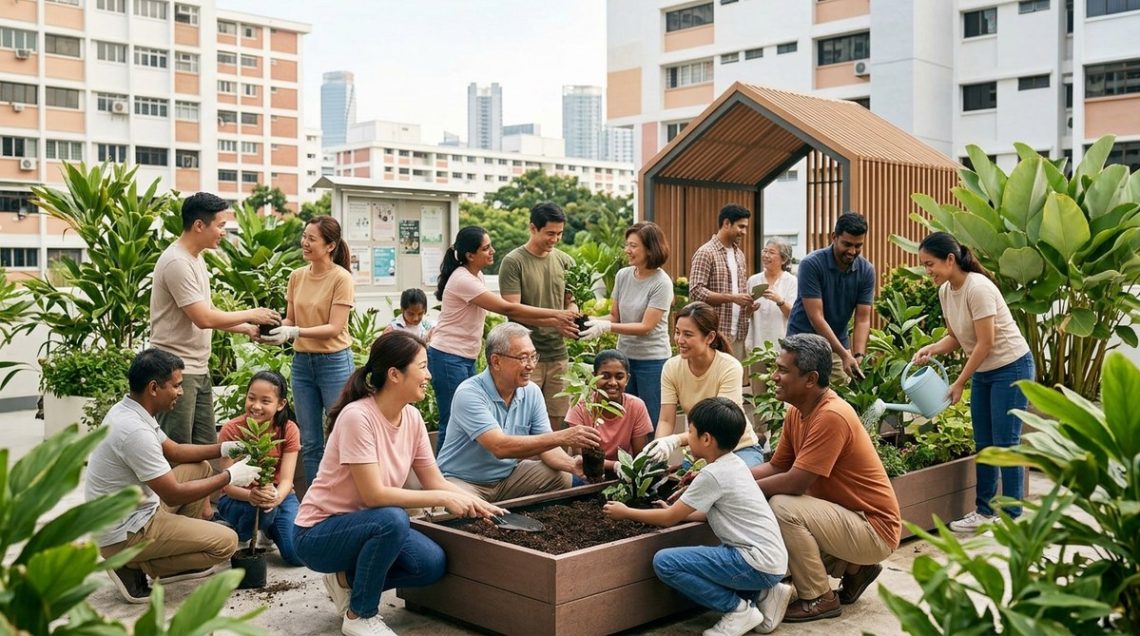
Building emotional resilience in Singapore has become more vital than ever. As our city-state faces rapid changes, unforeseen challenges, and high-paced lifestyles, cultivating inner strength and community support keep us grounded. Whether you are a mental health professional, community leader, or an individual passionate about well-being, understanding and applying resilience strategies can transform personal and collective lives. In 2026, creating a resilient Singapore means fostering a culture of emotional strength, support, and growth that benefits everyone.
Building emotional resilience in Singapore involves strengthening individual coping skills and nurturing community connections. Together, these efforts help us face adversity with confidence, foster collective well-being, and create a more supportive environment for all in 2026.
Understanding the importance of emotional resilience in Singapore
Singaporeans are known for their resilience. From managing high expectations in education to adapting quickly during crises like the pandemic, our ability to bounce back is ingrained in our culture. Building emotional resilience means more than just coping; it is about developing a mindset that turns challenges into opportunities for growth.
In 2026, resilience is seen as a collective strength. Community engagement plays a crucial role in this process. When people come together to share experiences, offer support, and foster understanding, resilience expands beyond the individual. It becomes a shared resource that empowers entire communities to recover from setbacks and thrive amid uncertainty.
Practical strategies for building emotional resilience in Singapore
Developing resilience is a step-by-step process that requires intentional effort. Here are three foundational steps to get started:
-
Recognize and accept your emotions
Acknowledge what you’re feeling without judgment. Whether it’s stress from work, anxiety about health, or sadness over personal loss, understanding your emotional state is crucial. Accepting these feelings allows you to address them constructively. -
Cultivate supportive relationships
Strong connections with family, friends, or community groups form a safety net. In Singapore, initiatives like the SG Cares movement encourage neighbours and organizations to work together. Sharing your struggles and seeking help when needed builds emotional strength. -
Develop a growth mindset
View setbacks as opportunities to learn. Instead of dwelling on failures, focus on what you can do differently. This shift in perspective fosters resilience and encourages continuous personal development.
Additional techniques to enhance resilience
- Practice mindfulness and breathing exercises, such as the ones promoted in to reduce stress levels.
- Engage in green spaces like Gardens by the Bay or MacRitchie Reservoir for natural therapy and emotional calming, as suggested in
- Adopt digital mental health tools, including apps tailored for Singaporean users, which provide daily tips and support, as highlighted in
Common pitfalls to avoid
| Technique | Mistake to watch out for |
|---|---|
| Suppressing emotions | Ignoring feelings can lead to long-term mental health issues. |
| Isolating yourself | Avoiding support networks weakens resilience. |
| Setting unrealistic goals | Overly high expectations can cause frustration. |
| Neglecting self-care | Ignoring wellbeing hampers emotional recovery. |
Building a community of resilience
While personal effort is essential, community engagement amplifies resilience. Singapore’s diverse cultural landscape offers numerous opportunities for collective support. Initiatives like SG Cares foster volunteerism and neighbourly support, strengthening social bonds.
Community-led programs such as the Red Cross’s resilience activities or local wellness workshops play a vital role in nurturing emotional strength. When residents participate actively, the sense of belonging improves, reducing feelings of isolation and stress.
How community engagement helps
- Creates shared spaces for open dialogue about mental health
- Facilitates peer support networks
- Promotes understanding across different cultural groups
- Encourages collective problem-solving in times of crisis
Tips for community leaders
- Organize regular mental health awareness events
- Foster inclusive environments where everyone feels heard
- Partner with local organizations like the People’s Association or grassroots groups
- Use digital platforms to connect residents beyond physical events
Recovery frameworks for emotional resilience
Building resilience is an ongoing journey. Here is a simple framework to guide your path:
The resilience recovery cycle
| Stage | Description | Actionable example |
|---|---|---|
| Awareness | Recognize emotional triggers | Journaling feelings after stressful events |
| Acceptance | Allow yourself to feel | Practice self-compassion during setbacks |
| Action | Implement coping strategies | Attend a mindfulness session or seek support |
| Reflection | Review what worked | Adjust strategies based on experience |
“Resilience is not about avoiding stress but learning how to thrive despite it,” advises Dr. Lee, a Singapore-based psychologist. Embracing this mindset encourages a proactive approach to recovery.
Maintaining resilience over time
- Keep practicing self-care routines
- Stay connected with your support network
- Regularly participate in community activities
- Continue learning new coping skills
Fostering a resilient mindset for all ages
Resilience isn’t just for adults. Teaching children and youths about emotional strength prepares them for future challenges. Schools and parents can incorporate resilience-building activities into daily routines.
For example, parents can teach children to express emotions openly and support them in problem-solving. Schools may include mindfulness exercises or peer support groups to foster emotional literacy.
Final thoughts: Cultivating resilience as a Singaporean
Building emotional resilience in Singapore is a shared responsibility. It involves personal effort, community support, and systemic initiatives. By adopting practical strategies, engaging with others, and fostering a growth mindset, everyone can contribute to a more resilient society.
Remember, resilience is a skill that grows stronger with practice. Start small today by checking in with your feelings and reaching out to someone you trust. As we continue to face new challenges together, cultivating emotional strength remains a powerful way to support ourselves and those around us in 2026.
Growing stronger together in Singapore’s resilience journey
Creating a resilient Singapore is not a one-time effort but a continuous process. Every step you take — whether practicing mindfulness, building community ties, or supporting others — adds to our collective strength. Embrace the journey, stay compassionate with yourself and others, and watch how resilience transforms lives and communities. In doing so, you help shape a future where Singaporeans face adversity with courage and hope.