Navigating the economic landscape in Singapore can feel like walking a tightrope. With global shifts, market fluctuations, and local uncertainties, it’s easy to feel overwhelmed or anxious. Yet, building mental resilience is your best tool to face these challenges head-on. Resilience isn’t about avoiding stress but about developing the strength to adapt and bounce back. In 2026, cultivating this trait can help you stay grounded, motivated, and ready to seize opportunities even in uncertain times.
Building mental resilience during Singapore’s economic uncertainty in 2026 involves understanding stress, adopting practical coping strategies, and cultivating a growth mindset. These steps empower individuals to recover faster, stay positive, and turn setbacks into opportunities for growth. Developing resilience is a continuous process that benefits both personal well-being and professional success in Singapore’s dynamic environment.
Why Mental Resilience Matters in Singapore’s Economic Climate
Singapore’s economy is intricately linked to global markets. In 2026, the nation faces a mix of opportunities and uncertainties. Technological disruptions, geopolitical tensions, and changing consumer behaviours influence local businesses and jobs. For individuals, this means increased pressure, job insecurity, and financial stress.
Developing mental resilience is vital because it helps you manage these pressures more effectively. Resilient people don’t let setbacks define them. Instead, they see challenges as opportunities to learn and grow. They maintain a positive outlook and adapt quickly to change. This mindset is especially crucial in Singapore, where the pace of life and work can be relentless.
Building Blocks of Mental Resilience
To strengthen your mental resilience amid Singapore’s economic uncertainties, you need a strategic approach. Here are key elements to focus on:
- Self-awareness: Recognise your emotional responses and triggers.
- Positive mindset: Cultivate optimism and focus on solutions.
- Support network: Connect with friends, family, or mentors.
- Healthy habits: Prioritise sleep, nutrition, and exercise.
- Flexibility: Be open to change and new opportunities.
- Purpose: Maintain clarity on your goals and values.
Practical Steps to Cultivate Mental Resilience
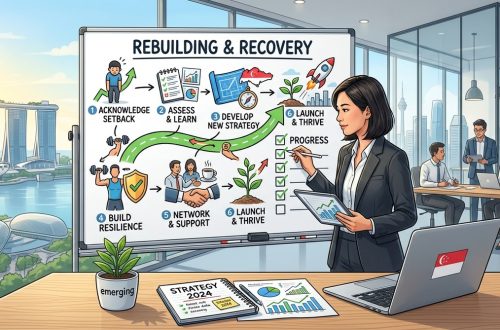
Building resilience is a process. Here are five actionable steps you can take today:
-
Acknowledge and accept your feelings
Understanding that stress, worry, or frustration are natural responses helps you manage them better. Don’t suppress emotions. Instead, allow yourself to feel and process them without judgment. -
Develop a recovery routine
In tough times, routines can provide stability. Incorporate mindfulness practices such as meditation or deep breathing. Consider setting aside time for reflection or journaling to clear your mind and gain perspective. -
Focus on what you can control
Shift your energy from uncontrollable external factors to areas within your influence. For example, update your skills, network actively, or manage your finances prudently. -
Set realistic goals and celebrate small wins
Break down large challenges into manageable tasks. Recognise each achievement, no matter how small, to boost your confidence and motivation. -
Seek professional support if needed
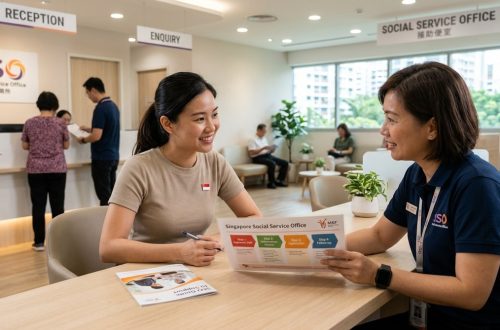
Sometimes, talking to a mental health professional can provide valuable insights and coping strategies. Singapore offers various accessible mental health services that can support your journey.
Common Pitfalls and How to Avoid Them
While working on resilience, be aware of common mistakes:
| Techniques | Mistakes |
|---|---|
| Overly suppressing emotions | Ignoring feelings can lead to burnout or anxiety. |
| Relying solely on willpower | Willpower alone isn’t enough; develop coping strategies. |
| Ignoring support systems | Isolation hampers resilience; stay connected. |
| Setting unrealistic goals | Frustration and burnout can result from unattainable targets. |
Expert Advice on Building Resilience
“Resilience isn’t a trait you are born with, but a skill you develop through consistent practice. It’s about adapting, learning, and growing stronger with each challenge. Remember, setbacks are opportunities in disguise.” — Dr. Tan Wei Ling, Singapore-based psychologist
Recovery Frameworks to Bounce Back Stronger
Implementing structured recovery frameworks can accelerate your resilience-building journey. One effective approach is the Growth Mindset, which encourages viewing failures as opportunities to learn. Another is the Stress Management Cycle, which involves recognising stress signals, implementing coping strategies, and reviewing progress.
You may also consider engaging in resilience challenges designed for busy professionals, such as the building emotional armor program, which offers daily exercises to fortify your mental toughness.
Staying Connected and Supported
Community plays a crucial role. Sharing experiences with others facing similar challenges can reduce feelings of isolation. Local support groups, online forums, and mental health workshops are excellent resources. Remember, seeking help is a sign of strength, not weakness.
Why Cultivating Resilience Pays Off in Singapore
Resilience influences not only how quickly you recover from setbacks but also how well you thrive amid change. In Singapore’s competitive and fast-paced environment, resilient individuals often find new opportunities faster, adapt more effectively, and maintain better mental health.
Moreover, resilience fosters a growth mindset that encourages continuous learning. This mindset is crucial in a country that values innovation and adaptability.
Final Tips for Embedding Resilience in Your Life
- Practice daily gratitude to maintain a positive outlook.
- Keep learning new skills to stay adaptable.
- Stay physically active to boost mental health.
- Build and nurture your support network.
- Regularly review your goals and adjust as needed.
Resilience is a Journey, Not a Destination
In 2026, Singapore’s economy will continue to evolve. Your ability to adapt depends on your mental strength. Start small, stay consistent, and remember that setbacks are part of growth. Every step you take towards resilience makes you more prepared for whatever challenges lie ahead.
By prioritising your mental health and adopting these strategies, you can turn uncertainty into opportunity. Keep moving forward with confidence, knowing that resilience is within your reach.