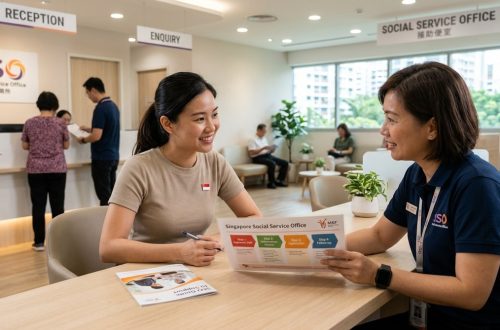
Recovery is not a solo journey. In Singapore, a network of community support services exists to help you rebuild your life after addiction or mental health struggles. Whether you are stepping away from substance use or managing anxiety that feels overwhelming, these services are designed to meet you where you are. The challenge is knowing which ones exist, how to access them, and what to expect when you reach out. This guide walks you through exactly that, using real local services and practical advice tailored to our Singapore context.
Singapore offers a range of community support services for recovery, from telephone hotlines and drop-in centres to structured programmes through agencies like NAMS and IMH. Finding the right one involves understanding your needs, knowing where to look, and taking the first step without shame. This article outlines practical steps, common pitfalls, and how to build a long-term support network so you can recover with confidence in 2026.
Understanding Singapore’s community support landscape
The term “community support services” covers many different types of help. Some are crisis hotlines you can call at 2 a.m. Others are weekly peer support groups held in a neighbourhood community centre. A few are intensive outpatient programmes run by professional counsellors. Knowing the categories makes it easier to choose.
The table below gives a snapshot of the main types of services available in Singapore for addiction and mental health recovery.
| Service Type | Examples in Singapore | Who It Helps |
|---|---|---|
| Telephone hotlines | SOS, TOUCHline, NAMS helpline | Anyone needing immediate emotional support or advice |
| Drop-in centres and recovery clubs | WeCare @ Marine Parade, Wellness Hub | People seeking a safe space to talk and connect informally |
| Professional counselling and therapy | Chronic Care Management at polyclinics, private practices | Those requiring structured clinical help |
| Peer support groups | SMART Recovery, AA, NA, mental health peer circles | Individuals who benefit from shared experience and accountability |
| Case management and outreach | CREST, COMIT | People with complex needs needing coordination across services |
| Online resources and apps | Mindline.sg, Silver Ribbon’s digital tools | Those who prefer self-paced learning and anonymity |
Each of these plays a role. You might start with a hotline and later join a peer group. Or you might go directly to a case manager at a community intervention team. The important thing is that there are multiple entry points. No single path fits everyone.
How to find the right service for your needs
You do not need to navigate this alone. Follow these five steps to locate and access the community support services that match your situation.
-
Identify your primary need. Are you in crisis right now, or are you looking for ongoing support? Write down one or two areas you need help with. For example, “I need someone to talk to late at night” or “I want a structured programme for alcohol recovery.” Being specific saves time.
-
Search using trusted directories. The best starting point is the National Addictions Management Service (NAMS) website for substance-related concerns, or the Institute of Mental Health for mental health. For broader community resources, visit the Agency for Integrated Care (AIC) Care Locator. These databases are maintained and updated regularly.
-
Call a helpline to clarify your options. If you are unsure, call the NAMS helpline at 6732 6837 or the SOS 24-hour hotline at 1767. The people on the other end are trained to listen and to guide you to the right door. They can tell you whether a CREST team or a peer support group would suit you better.
-
Visit the service in person or attend an introductory session. Many community services run walk-in hours or orientation sessions. For instance, most Alcoholics Anonymous meetings in Singapore welcome newcomers without any pressure to speak. Going once lets you feel the atmosphere and decide if it is a good fit.
-
Ask about cost and confidentiality. Most community support services for recovery in Singapore are either free or heavily subsidised. Peer groups are donation based. Clinical services may require a small fee or a referral from a polyclinic doctor. Always clarify upfront so there are no surprises. You can also refer to our guide on 5 Free Mental Health Services in Singapore You Can Access Today for no cost options.
What to expect when you reach out
The first time you call a helpline or walk into a support group, you might feel nervous. That is normal. Knowing what happens next can reduce the anxiety.
- Helpline calls are anonymous. You do not have to give your name. The listener will ask open ended questions to understand how you are feeling. They will not judge or tell you what to do. They may offer suggestions, but you remain in control.
- Drop in centres like those run by the Singapore Association for Mental Health (SAMH) offer a relaxed environment. You can sit, have a cup of coffee, and chat with a staff member or volunteer. No appointment is needed.
- Peer support groups start with a simple check in. Each person shares a little about their week, if they want. There is no pressure to speak. The group follows a structured format (e.g., the 12 steps or SMART Recovery’s 4 point programme) to keep conversations productive.
- Case management services such as COMIT or CREST assign you a dedicated coordinator. That person will meet you regularly, help set goals, and link you to other resources like housing assistance or employment support. It feels more like a partnership than a clinical relationship.
One thing to remember: if the first service does not feel right, try another. There are many available. Recovery is not one size fits all. As one counsellor from a local recovery centre put it:
“Many people give up after one bad experience. But finding the right support is like finding the right pair of shoes. You might need to try a few before you find the one that carries you comfortably through your journey. Do not stop because the first door felt cold. There are warm doors here in Singapore.”
Common challenges and how to overcome them
Even with good intentions, barriers can appear. The table below lists typical obstacles people face when trying to use community support services for recovery, along with practical solutions.
| Challenge | Why It Happens | What You Can Do |
|---|---|---|
| Fear of stigma | Concern that someone might recognise you at a centre or group | Choose services with strict confidentiality policies. Attend groups in a different neighbourhood. Use anonymous hotlines first. |
| Long wait times | Some subsidised programmes have waiting lists | Start with walk in services or peer groups while you wait. Ask the provider about interim support. |
| Language barriers | Not all services offer your preferred language | Look for bilingual services. Service providers like IMH, NAMS, and Care Corner offer Mandarin, Malay, and Tamil support. |
| Transportation or schedule conflicts | Work or family commitments clash with programme timings | Seek services with evening or weekend slots. Many peer groups meet after office hours. Consider online options like Zoom meetings. |
| Not knowing what to say | Fear of sounding silly or not having the “right” words | Prepare a simple sentence ahead of time. For example, “I’m here because I’ve been struggling and I want help.” The listener will guide you from there. |
If you are struggling with confidence, reading through our article on How to Ask for Help Without Shame: A Recovery Mindset for Singaporeans can give you the right mental shift.
Building a sustainable recovery network
Community support services work best when you use more than one type. Think of them as a web, not a single thread. Combining professional guidance with peer support and self care creates resilience.
Start by identifying a primary service. This might be a weekly counselling session at a polyclinic or a CREST case worker. Then add one or two additional elements. For example:
- Attend one peer support meeting each week.
- Use a mental wellness app like Mindline.sg for daily check ins.
- Connect with a recovery friendly activity group, such as a running club for people in recovery or a mindfulness walk in a park like Bishan Ang Mo Kio Park.
The goal is to create a routine where support is woven into your normal week. You do not have to rely on willpower alone. The structure does the work. For more ideas on building daily habits that protect your wellbeing, see 7 Daily Habits That Build Unshakeable Resilience in Singapore’s High Stress Environment.
Another powerful layer is family involvement. If you feel ready, you can invite a trusted family member to attend a session with you. Some services, like the Family Resource and Support Centre run by the Singapore Council of Social Service, offer family counselling specifically for recovery. This can heal relationships that may have been strained. Our guide on How Singapore Families Can Build Stronger Bonds During Financial Hardship offers transferable principles even if your challenge is not financial.
Your next step toward healing
You now have a clear map of Singapore community support services for recovery. You know how to identify your needs, where to search, what to expect, and how to overcome common barriers. The most important step is the first one you take today. It does not have to be big. It can be as simple as calling a helpline to ask a question. Or visiting the NAMS website to browse their list of programmes. Or sending an email to a peer support group coordinator.
There is no perfect moment to start. The perfect moment is the one where you decide your recovery matters enough to reach out. And in Singapore, the help is already here, waiting for you. Take that step. You are not alone.