The income from driving, delivering, or freelancing can dry up without notice. A sudden illness, a platform policy change, or a slow season can leave you wondering what comes next. For many Singaporean freelancers and gig workers, this uncertainty is a constant companion. But 2026 brings a much stronger safety net than before. The question is no longer whether help exists, but which specific recovery support options are available for Singaporean freelancers and gig workers.
Singaporean freelancers and gig workers now have access to a multi-layered support system in 2026. From mandatory CPF contributions under the Platform Workers Bill to SkillsFuture credits and CDC vouchers, the recovery options are real and growing. This guide walks you through financial aid, legal protections, and mental health services so you can rebuild with confidence.
The New Safety Net: What Changed in 2026
The biggest shift for gig worker support in Singapore 2026 is the Platform Workers Bill. Passed in late 2024 and fully implemented this year, it redefines the relationship between platforms like Grab, Foodpanda, and Deliveroo and their workers.
You are no longer a solo operator without a safety net. The bill ensures you receive:
- Work injury insurance – platforms must cover you for accidents on the job
- CPF contributions – both your share and the platform’s share go into your Ordinary and Special accounts
- Representation rights – you can join associations that negotiate on your behalf
This changes everything. Before 2026, many gig workers had no access to basic protections. Now, a delivery rider who gets into an accident can claim medical expenses. A freelancer driving for a ride-hailing app can build CPF savings for retirement.
“The Platform Workers Bill is not just a law. It is a recognition that gig work is real work. If you rely on it, you deserve the same dignity and security as any employee.” – A representative from the National Trades Union Congress (NTUC)
Financial Recovery Options: Where to Find Immediate Help
Even with these new protections, you might still face cash flow issues. Here are the financial recovery options available to you in 2026.
1. CDC Vouchers and Community Support
If you are a Singaporean living in a five-room or smaller HDB flat, you can apply for CDC vouchers. In 2026, the annual disbursement covers up to $500 per household. You can use these at participating heartland merchants, hawker centres, and supermarkets. To apply, visit your community centre or go online to the CDC website.
2. SkillsFuture Credits for a Career Reset
When your current gig slows down, upskilling can open new doors. Every Singaporean aged 25 and above receives a $500 SkillsFuture Credit top-up every few years. In 2026, the government added an extra $500 for mid-career workers aged 40 to 60. You can use these credits for courses in digital marketing, coding, or even drone piloting.
Many platforms now partner with SkillsFuture to offer micro-credentials. Check out the MySkillsFuture portal to see which courses are relevant for gig workers.
3. Short-to-Medium Term Assistance (SMTA)
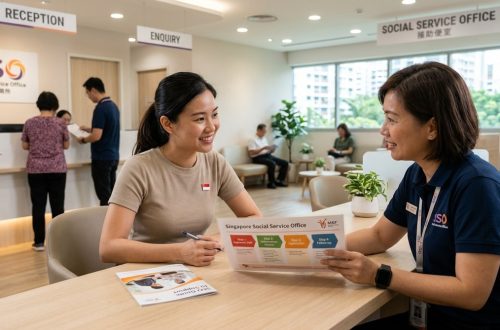
For those who experience a sudden drop in income, the SMTA provides cash support for up to three months. This is administered by your local Social Service Office (SSO). You need to show that your monthly household income per person is below $650. It is not a handout. It is a bridge to get you through a rough patch.
4. ComCare and Temporary Relief Fund
If your situation is more severe, ComCare offers longer-term assistance. This can cover basic living expenses like food, utilities, and rent. The Temporary Relief Fund also provides a one-time payout for workers affected by sudden crises, such as a platform shutting down without notice.
Legal Protections Every Freelancer Should Know
You might not think of legal support as a recovery option, but it is. Many freelancers lose income because they do not understand their rights.
Numbered list: Steps to secure your legal position
- Review your platform agreement – Every platform now has a standard contract under the new bill. Read the clauses on termination, pay rates, and dispute resolution. Keep a copy on your phone.
- Register with a trade association – Groups like the National Delivery Champions Association can help you negotiate with platforms. They also offer free legal advice for members.
- Document everything – Take screenshots of your trips, deliveries, and earnings. If a platform deactivates you without reason, this evidence is your first line of defense.
- File a claim with the Tripartite Alliance for Dispute Management (TADM) – If you have a grievance that cannot be resolved with the platform, TADM mediates for free. This service now covers platform workers as of 2026.
- Seek pro bono legal help – The Law Society’s Pro Bono Services office runs clinics for freelancers. You can get 30 minutes of free advice on contract issues.
Mental Health and Emotional Recovery
Financial stress takes a toll on your mind. The good news is that mental health support is more accessible than ever.
Free and Low-Cost Counselling
- CHAT (Community Health Assessment Team) – offers free mental health check-ups for young adults up to 30 years old
- Care Corner Counselling Centre – provides sliding scale fees starting at $10 per session
- Silver Ribbon Singapore – runs support groups specifically for gig workers facing financial anxiety
Many of these services now offer online sessions. You do not need to travel to a clinic. You can speak to a counsellor from your bedroom after your last delivery.
For a deeper dive into this topic, read our guide on 5 free mental health services in Singapore you can access today.
Building a Recovery Plan: A Step-by-Step Framework
A recovery framework helps you move from panic to action. Here is a simple three-phase plan used by many Singaporean freelancers.
| Phase | Goal | Key Actions |
|---|---|---|
| Phase 1: Stabilise (Week 1) | Stop the bleeding | Apply for CDC vouchers, check CPF contributions, contact SSO for ComCare |
| Phase 2: Restructure (Week 2-4) | Create new income streams | Use SkillsFuture credits for a short course, register with a trade association |
| Phase 3: Grow (Month 2-3) | Build long-term resilience | Save 3 months of expenses, diversify to 2 platforms, join a freelancer community |
Common mistakes to avoid:
- Ignoring your mental health while fixing your finances
- Taking on more debt through licensed moneylenders without exploring SSO support first
- Not updating your CPF nomination form after changing platforms
Where Freelancers Find Community in Singapore
Recovery is easier when you are not alone. Several groups exist specifically for gig workers.
- Freelancers Association of Singapore – holds monthly meetups at Lifelong Learning Institute in Paya Lebar
- NTUC’s Freelancers and Self-Employed Unit – offers workshops on tax filing and insurance
- Online communities on Telegram – search for “SG gig workers support” to find active groups sharing tips on avoiding payment issues
You might also find inspiration from real stories. Read about one woman’s journey from losing her job to finding a new path in how a 42-year-old banker found her second career in Singapore.
Your Next Steps for Long-Term Stability
The support options for Singaporean freelancers and gig workers in 2026 are broader than ever. But they only work if you take action.
Start today. Check your platform contract for the new protections. Apply for your SkillsFuture credits if you have not used them. Book a counselling session if you feel stretched. And most importantly, connect with other freelancers who understand your journey.
You do not need to have all the answers right now. You just need to take the first step. Whether that is visiting a Social Service Office or reading one more article on building resilience, the path forward begins with a single decision.
For more tools to strengthen your mindset, explore these mental resilience techniques every Singaporean professional should master.