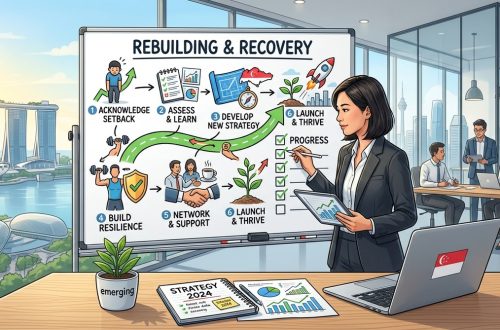
When a business setback hits, it can feel like the ground is shifting beneath your feet. Whether your startup failed or revenue dried up unexpectedly, rebuilding financial stability is possible. It requires focus, resilience, and a clear plan. Many Singaporean entrepreneurs have faced tough times and come back stronger. With the right mindset and strategies, you can turn your setback into a stepping stone toward a brighter future.
Recovering financially after a business setback in Singapore involves assessing your situation, creating a plan, managing debt, and building resilience. Taking systematic steps can help you regain stability and even turn setbacks into opportunities for growth.
Understanding the Impact of a Business Setback in Singapore
A business setback can range from losing a significant client to experiencing cash flow problems or even closure. The immediate effects often include mounting debts, reduced savings, and a drop in confidence. Singapore’s vibrant economy offers many opportunities, but it also demands resilience and adaptability. Recognising the full scope of your financial situation is crucial. This includes understanding your liabilities, assets, and available resources.
The economic environment in Singapore, with its supportive government schemes and active business community, can aid your recovery. Knowing your options for support and planning your next steps wisely will set the foundation for rebuilding.
Practical Steps to Rebuild Your Financial Stability
Rebuilding after a setback is a process. It involves discipline and patience. Here are actionable steps to help you navigate this journey:
1. Assess and Organise Your Financial Picture
Start by gathering all your financial information. List your debts, savings, expenses, and income sources. Use this data to create a clear picture of where you stand. This step is vital for making informed decisions.
- Review your bank statements and loan agreements
- Calculate your total liabilities and assets
- Identify unnecessary expenses to cut back on
2. Create a Realistic Budget and Cut Expenses
With a clear picture, develop a budget that prioritises essential spending and debt repayment. Be strict but realistic. Focus on maintaining enough for daily needs while reducing discretionary expenses.
- Limit non-essential purchases
- Find cheaper alternatives for daily needs
- Set aside a small emergency fund if possible
3. Manage and Tackle Your Debt Strategically
Debt can be overwhelming, but with a plan, it becomes manageable. Consider consolidating high-interest debts or negotiating repayment terms with lenders. Always aim to pay more than the minimum when possible.
- List debts by interest rate and amount
- Prioritise paying off high-interest debts first
- Contact creditors to discuss repayment plans
Expert advice: “Communicate openly with your lenders. Many are willing to negotiate if you show genuine commitment to repay.” — Financial Advisor in Singapore
4. Build a Buffer with an Emergency Fund
Once you regain some stability, focus on building an emergency fund. Aim for at least three to six months of living expenses. This fund acts as a safety net, protecting you from future shocks.
- Start small if necessary, contributing regularly
- Keep this fund in a separate, easily accessible account
- Replenish it if you use any part of it
5. Increase Your Income Streams
Diversify your income sources to accelerate recovery. Consider freelancing, part-time work, or leveraging skills for side hustles. Singapore’s gig economy offers numerous opportunities for extra income.
- Explore freelance platforms like Upwork or Fiverr
- Offer consulting or coaching in your area of expertise
- Rent out a spare room or property
6. Seek Support and Guidance
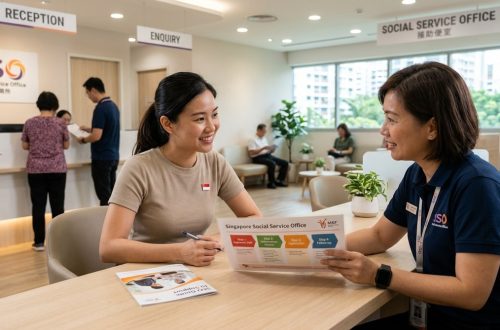
Don’t hesitate to reach out for help. Whether from friends, family, or professional advisors, support can make a big difference. In Singapore, various government schemes and community resources are available to aid entrepreneurs and individuals.
- Connect with local business associations
- Utilise government programmes like SME grants
- Consider professional financial planning services
7. Cultivate a Growth Mindset and Resilience
Your mindset is key. View setbacks as opportunities to learn and grow. Practice self-compassion and stay focused on your long-term goals. Building emotional resilience helps you stay motivated through challenges.
- Read success stories of Singaporean entrepreneurs who bounced back
- Practice mindfulness and stress management techniques
- Regularly review and adjust your recovery plan
Common Mistakes to Avoid During Recovery
To ensure your efforts are effective, steer clear of common pitfalls. Here’s a quick comparison:
| Techniques to Follow | Mistakes to Avoid |
|---|---|
| Creating a detailed budget | Ignoring expenses or income gaps |
| Negotiating with creditors | Ignoring debt or missing payments |
| Building an emergency fund | Relying solely on credit cards for cash flow |
| Diversifying income sources | Putting all eggs in one basket |
| Maintaining a positive outlook | Giving up after setbacks |
Building Resilience for Future Business Challenges
Recovering financially is also about preparing for the future. Strengthen your resilience muscles by:
- Educating yourself on financial management
- Developing a strong support network
- Staying adaptable to market changes
- Learning to manage stress and setbacks effectively
Techniques to Boost Resilience
Here are some techniques that have helped many Singaporeans bounce back:
- Practicing mindfulness and meditation
- Setting small, achievable goals regularly
- Reflecting on lessons learned from setbacks
- Engaging in community or mentorship programmes
For more insights, consider https://emergingstronger.sg/5-mental-resilience-techniques-every-singaporean-professional-should-master/ to develop mental strength.
Inspiring Comeback Stories From Singapore
Many entrepreneurs and small business owners have faced failures and emerged stronger. Their stories serve as proof that setbacks are temporary. For example, a local hawker who lost everything during the pandemic rebuilt his stall from scratch, gaining new insights and customers.
These stories reinforce the idea that resilience, combined with strategic action, can turn adversity into opportunity.
What Success Looks Like After a Setback
Rebuilding your financial stability is a journey. Success might mean paying off debts, rebuilding savings, or even starting a new business with lessons learned. It’s about regaining confidence and creating a sustainable path forward.
Remember, setbacks don’t define your potential. Your response and resilience determine your future.
Your Next Steps Toward Financial Recovery
Start today. Review your finances, set small goals, and seek support. Remember, many Singaporeans have faced similar challenges and come out ahead. With persistence and a positive attitude, you can rebuild your financial stability and set the stage for new opportunities.
Turning Challenges into Foundations for Growth
Business setbacks can shake your confidence, but they also offer a chance to reassess and strengthen. Use this period to learn, adapt, and plan your next move. Every step you take today builds resilience and brings you closer to your financial goals.
Keep moving forward, and know that rebuilding is a process. Your effort and mindset will guide you through. With time, patience, and a clear plan, you will find your way back to stability and beyond.